New: Trauma-Responsive EQTM team training now enrolling
The Trauma Informed Academy™
Online | On site Trauma Informed Care Training
for Healthcare Staff
We don't need trauma-informed care training.
We refer difficult patients to behavioral health.
MARTA.
Quick--how does an endocrinologist check someone's thyroid? Putting their hands around the neck from behind is the best way and then feeling around on the front (palpating).
Holy Batman! May be, and when the good doctor did so, Marta grabbed the doctor's wrists. That attractive, calm, well-put-together woman you just saw? She's as likely to live with Domestic Violence as the patient everyone hates to see coming. Or to have survived crime victimization, natural disasters and medical crises that made her think she might die or lose her mind.
What did the physician do? Call the police? Recognize an instinctual response to something that happened to her and pass her to mental health for treatment? Fire the patient from the practice? Put a big warning in her EHR?
Nope. The doctor allowed the woman to relax her hands, apologize, accepted responsibility for startling her, asked if describing what she was going to do next would be helpful, sat with the patient a moment before asking for permission to examine from the front.
The patient rated the visit as five-star experience because "the doctor treated me like a real person and understood what happened. I trust the people here."
Change the frame, change your skills--and see what happens.
Yeah, you need TIC training. Shift happens.
Supports MDs, PAs, NPs, RNS, and allied health professionals.
ABOUT US
Our mission is to reduce the time, trauma, and costs of healing for all involved, which supports budget, quality and service targets.
Our comprehensive evidence-informed approach combines 24x7 online learning, live calls, and consulting services. Our work on Trauma is used on every continent except Antarctica.
"We chose the Core Course online and training calls loved the convenience and the consistency, and we put things in action. Suddenly, we don't have any difficult patients, just people trying to solve problems... --PA, free clinic
"Taking the Core Course made it easier to work here, and our patients seem happier. I think we see each other as more human. Everyone from the MDs down? Less stress. Made this a better place to work." --FQHCP staff summary
HOW WE HELP
The Core Course
Extensive online 24/7 program, offers knowledge and skill building program with 11 Modules and over 50 short, powerful lessons.
Accompanied by regular training calls.
TI-MED
From the first successful research focused on communication skills to help healthcare providers and trauma survivor patients. Developed at Georgetown University Medical Center and grounded in Risking Connection.
Helps providers strengthen effective communication that reduces stress and fosters compliance and better outcomes.
Online -- coming soon!
Webinar | In person --scheduling now
Need to talk about group rates? Reach out.
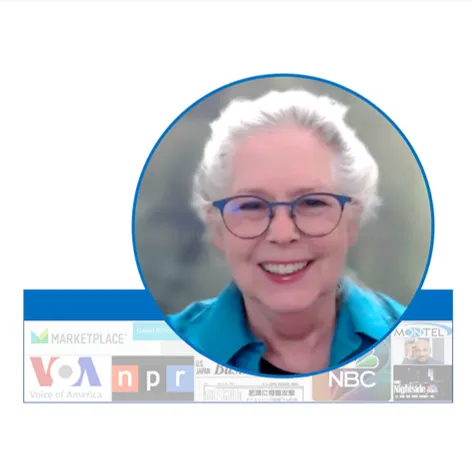
Elizabeth Power, M. Ed.
Founder, The Trauma Informed Academy™
Power's influence in Trauma Informed Care reaches every continent except Antarctica. As "The Voice of Lived Experience," she combines robust academic knowledge, 30-plus years of helping mental health professionals master TIC, practical skills using engaging adult learning tools that are evidence-informed. She is a Vanderbilt graduate and an Adjunct Instructor in Psychiatry at Georgetown University Medical Center.
TESTIMONIALS
CUSTOMER REVIEWS
Facilities using TR-EQ report fewer outbursts, reduced need for serious interventions, and an overall decline in problematic behaviors—evidence that an all-staff trauma-responsive approach improves cares, boosts morale, and strengthens your entire team.
★★★★★
Increased Morale & Engagement:
“Thank you Elizabeth for answering me personally.... This is an amazing program and I have learned so much about the population we serve…”

Director of Medical Records
and Performance Improvement
★★★★★
Stronger, More Connected Teams:
“We all learned so much! We were talking the other day about feeling the ‘click’ as a treatment team when we started asking the three magic questions…”
RTP Team Lead
★★★★★
Enhanced Compassion & Teamwork:
“Ms. Power’s presentation was compelling. It reminded us to look beyond the person in front of us and imagine the possible traumas they may be facing…”
LA TWC conference
FAQS
What makes us different from other consulting firms?
Our distinctiveness lies in our personalized approach to consultancy. Unlike one-size-fits-all solutions, we take the time to thoroughly understand your unique challenges, goals, and industry context. Our team collaborates closely with you to craft tailored strategies and solutions. We bring deep knowledge and experience in creating trauma-responsive systems.
How long does it typically take to see results from your consultancy services?
The timeline for seeing results can vary depending on the specific nature of your project and goals. While some improvements may be evident in the short term, sustainable and significant transformations often take a bit longer. Our commitment is to provide you with a realistic timeline during our initial consultation that matches our history of helping organizations change with your timeline. Rest assured, we work diligently to ensure that you experience positive changes as efficiently as possible, while also focusing on long-term success.
What industries do you specialize in, and can you help businesses of all sizes?
We have expertise across a wide range of industries, including consumer research, healthcare, education, manufacturing, and more. Our diverse backgrounds and experiences make it easier for us to fit your specific industry. Whether you're a small startup or a large corporation, we have the knowledge and resources to assist you. Our consultancy services are scalable and tailored to meet the unique needs of businesses of all sizes, ensuring that you receive the support necessary to achieve your goals.
We focus on three topics: Trauma-Responsive Emotional Intelligence (TR-EQ), resilience, and coping with change.